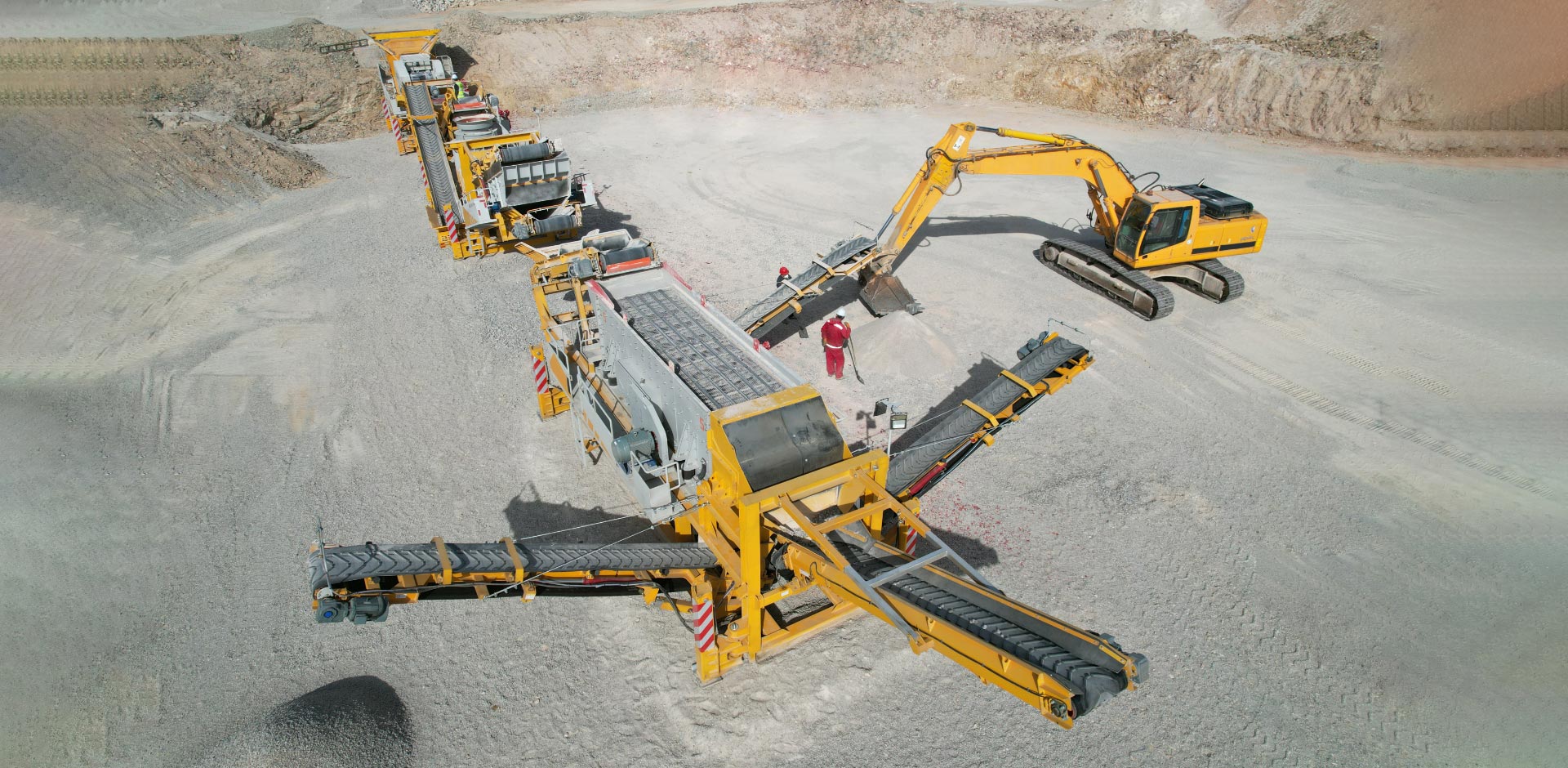
The efficiency and productivity of a sand and aggregate production line largely depend on the quality of raw materials being processed. Whether you are working with granite, limestone, or basalt, the characteristics of these materials directly influence crushing efficiency, equipment wear, production capacity, and overall operational costs. Understanding this relationship is essential for plant operators and investors aiming to maximize output while maintaining quality and reducing maintenance costs.
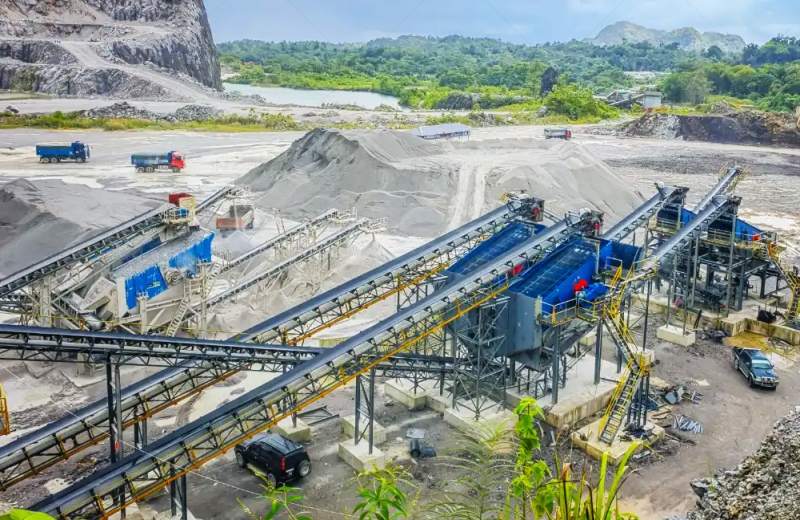
The Role of Raw Material in Production Line Efficiency
Raw materials form the foundation of any sand and aggregate production process. High-quality stones with consistent hardness, size, and composition allow for smooth operations, while materials with variability, excessive moisture, or impurities can create inefficiencies.
For example, a granite crushing machine handles hard, abrasive granite efficiently when the feed material is uniform and properly sized. If the granite contains large boulders or mixed soft stones, the crusher may face overloading, leading to slower throughput and potential equipment damage. Similarly, a limestone crusher machine performs optimally with clean, relatively soft limestone. Contaminants such as clay, iron, or other soft minerals can cause clogging and reduce the crusher’s lifespan.
Impact on Equipment Selection and Performance
The type and quality of raw material directly affect the choice of crushers and other processing equipment. For instance:
-
Granite Crushing Machine: Granite is hard and abrasive, requiring a robust jaw crusher or cone crusher with high wear-resistant components. If the raw granite is fragmented and consistent, the machine can operate at high efficiency, producing uniform aggregates for construction.
-
Limestone Crusher Machine: Limestone is softer than granite but may vary in moisture content. High-quality limestone ensures minimal wear on crushing parts and reduces downtime. A poorly sorted limestone feed can increase energy consumption and reduce output.
-
Basalt Crusher: Basalt is dense and hard, often requiring a combination of impact crushers and cone crushers. Uniform raw basalt allows smooth crushing and efficient production of sand and gravel, whereas irregular or mixed-quality basalt can slow down the process and accelerate wear on crushing components.
Selecting the appropriate equipment and adjusting operational parameters based on raw material quality ensures consistent performance and minimizes costs.
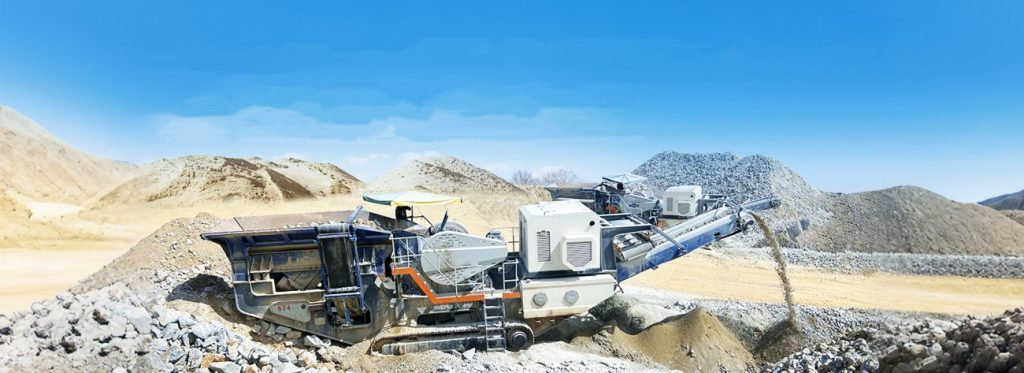
Influence on Product Quality
Raw material quality also affects the final product of a sand and aggregate production line. High-quality, well-graded stones produce uniform sand and aggregates with fewer fines, meeting construction standards for concrete, asphalt, and road base materials. Conversely, poor-quality feedstock can result in irregular particle sizes, excessive dust, and non-uniform aggregates.
For example, using high-grade granite in a granite crushing machine produces sharp, angular aggregates ideal for concrete mixing. Low-quality granite with cracks or soft patches may generate more dust and fines, reducing the strength and durability of the final product. Similarly, clean limestone processed in a limestone crusher machine yields aggregates suitable for high-quality cement production, while contaminated limestone may reduce compressive strength.
Operational Efficiency and Maintenance
Consistent raw material quality improves operational efficiency and reduces wear and tear on the production line. Crushers, conveyors, screens, and feeders all operate more smoothly when the feed material is predictable. Irregular or mixed-quality stones increase the risk of mechanical breakdowns, frequent maintenance, and higher operational costs.
For a basalt crusher, abrasive basalt stones can cause faster wear of crusher liners and screens. Using uniform, clean basalt reduces maintenance frequency, extends equipment lifespan, and lowers spare parts costs. Likewise, a granite crushing machine with consistent feed material requires fewer shutdowns and less labor for inspection and cleaning, improving overall plant productivity.
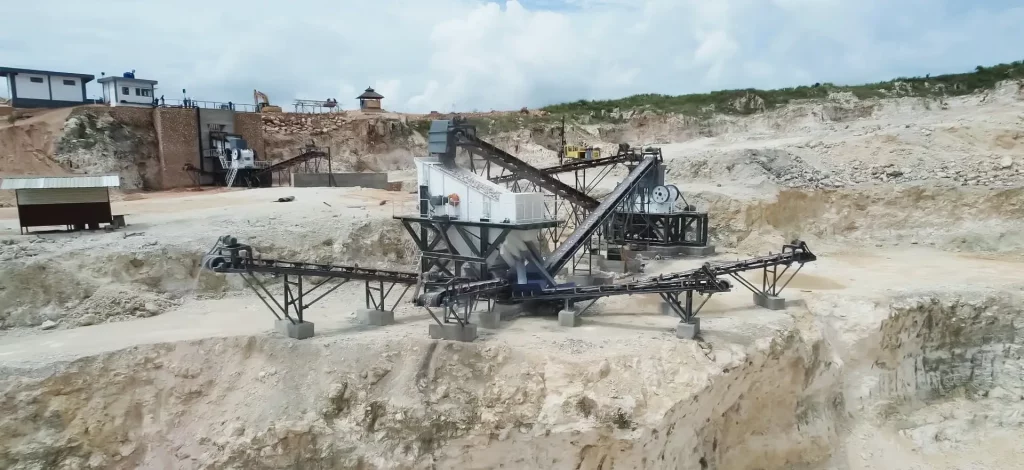
Economic Implications
The economic impact of raw material quality on a sand and aggregate production line cannot be overstated. High-quality feedstock allows for:
-
Higher production rates with fewer interruptions
-
Lower energy consumption due to efficient crushing
-
Reduced replacement costs for wearing parts in granite crushing machines, limestone crusher machines, and basalt crushers
-
Consistent aggregate quality, increasing market value and customer satisfaction
Poor-quality raw materials, on the other hand, can lead to increased operational costs, reduced plant lifespan, and lower revenue due to substandard products. Therefore, investing in quality raw material sourcing is a cost-effective strategy for long-term profitability.
Conclusion
In summary, the performance of a sand and aggregate production line is closely tied to the quality of raw materials. Whether dealing with granite, limestone, or basalt, the hardness, consistency, and purity of the stone significantly impact crusher efficiency, product quality, maintenance costs, and overall profitability.
Choosing the right crusher for specific raw materials—such as a granite crushing machine for granite, a limestone crusher machine for limestone, or a basalt crusher for basalt—and ensuring a consistent feed quality allows operators to maximize output, reduce downtime, and produce high-quality aggregates. For anyone planning to invest in a sand and aggregate production line, understanding raw material quality is as important as selecting the right equipment. By prioritizing feed consistency, plant operators can achieve sustainable, efficient, and cost-effective production.