Builders often need concrete mixers that can handle big jobs and move easily. A large mobile concrete mixer offers size, power, and portability. But balancing these traits is not simple. You must match the mixer to your project needs. Let’s see how to do this.
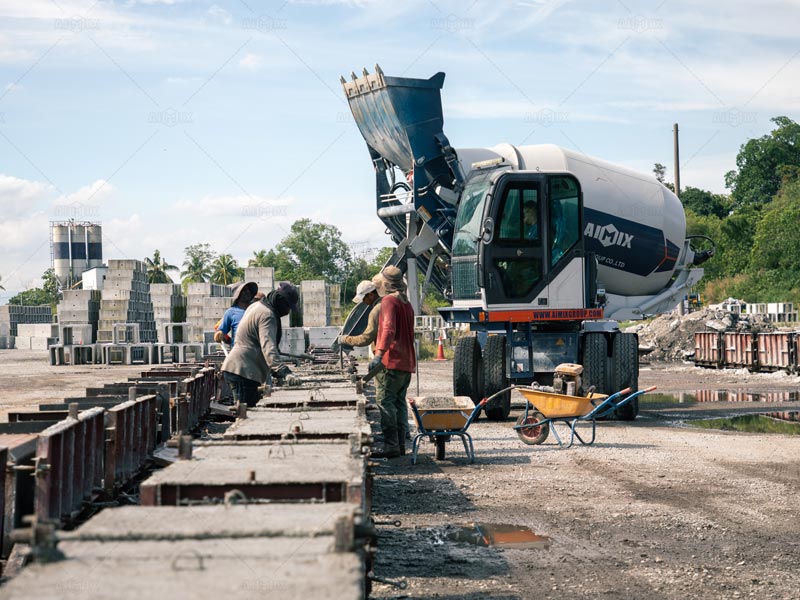
Why Balance Size, Power, and Portability Matters
Size decides how much concrete you mix at once. Power affects speed and ability to work in tough conditions. Portability means you can move the mixer where needed. If one trait is weak, work slows or costs rise.
For example, a big size helps on large pours. Yet if it lacks portability, you may struggle to reach tight spots. Too much focus on power can make the mixer heavy and hard to shift. So, balance keeps projects smooth and budgets safe.
Understanding Different Types of Mobile Concrete Mixers
You will find several kinds of mobile concrete mixer in the market. One is the concrete transit mixer. It carries ready-mix concrete from plants to sites. It is large and powerful, but less flexible on uneven ground.
Another type is the concrete mixer self loading. It loads materials, mixes, and unloads by itself. This saves labour and time. It also offers good portability since many models are built for rough terrain.
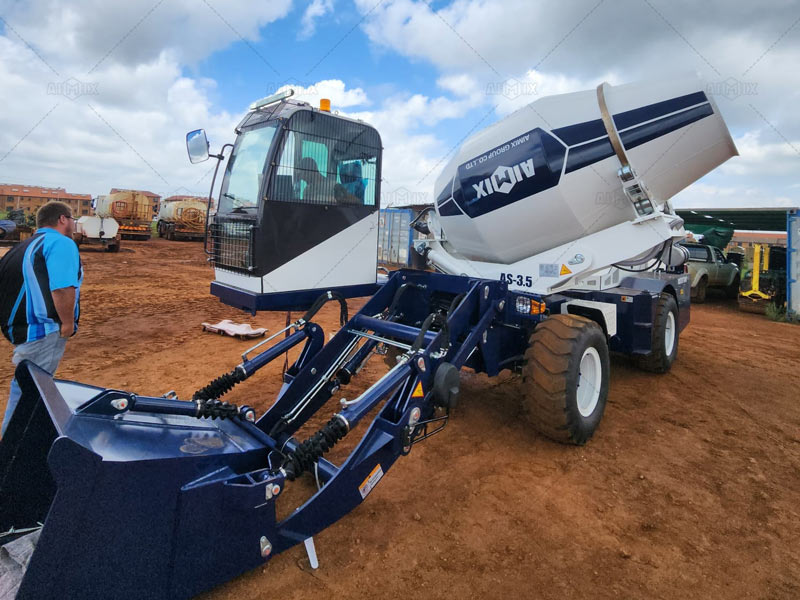
Then there is the large concrete mixer for sale aimed at high volume work. It mixes more per batch but may need a strong towing vehicle. Picking the right type starts with knowing job scale and site layout.
How Size Influences Choice and Cost
Size means the mixer’s capacity per batch. Small units suit minor repairs or small builds. Large ones serve highways, dams, and big buildings. A larger mixer cuts cycles, so you need fewer batches.
Yet size can limit where you use the machine. Narrow sites may not fit a wide, heavy mixer. Also, moving a very large unit may call for special permits. When checking large concrete mixer for sale, measure site access first.
Bigger size usually raises concrete mixer price. But it can lower total mixing time. This trade-off may save labour and fuel. Think of size as a tool to match daily concrete demand.
Power Needs for Tough Jobs and Places
Power covers engine strength and mixing force. A powerful mixer works faster and handles stiff mixes. It also performs well in hot or cold weather. On sites without electricity, diesel engines give steady power.
A concrete mixer self loading needs strong hydraulics. These run the loading arm and mixing drum. Without enough power, the process lags and fuel use rises. So, check engine specs and torque ratings.
Some jobs need a concrete transit mixer with high torque. It must drive long distances while keeping concrete slump right. Power keeps quality uniform from plant to pour. But higher power can increase fuel cost and weight.
Portability Factors to Check
Portability means easy movement around the site and between locations. Look at weight, wheel type, and towing setup. Lightweight designs suit city sites with access limits. All‑terrain wheels help on farms or mining areas.
A mobile concrete mixer with good portability can shift between pours without delay. This saves idle time. Also, some self loading mixers double as transport units. You can move them on roads if they meet legal rules.
However, adding portability sometimes trims size or power. A compact mixer may hold less concrete. A light one may lack the engine for heavy mixes. Balance these points against site needs.
Combining Traits in Real Buying Choices
When viewing a large concrete mixer for sale, list your site and job facts. Do you pour large volumes each day? Will you move the mixer often? Must it work off road? These answers guide your pick.
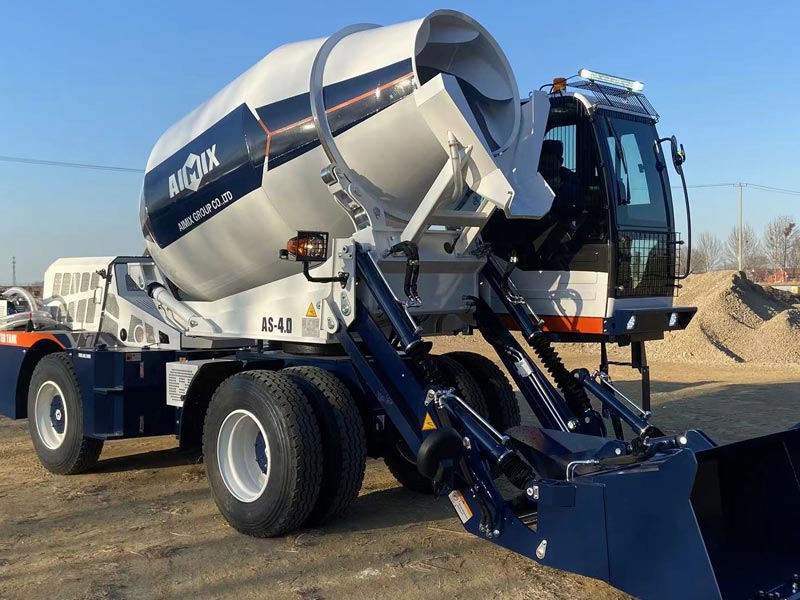
If you need mobility and labour saving, try a concrete mixer self loading. It balances size and portability well. It may cost more, but cuts extra equipment and workers.
For steady high output at fixed points, a concrete transit mixer works. It offers power and size, but less portability. Pair it with a pump if site access is tight.
Sometimes, a buyer chooses two smaller mobile concrete mixers instead of one huge unit. This improves portability and gives backup if one breaks. You keep work going with less risk.
Tips for Testing and Comparing Mixers
Try demos before buying. Check how fast each mixer loads and mixes. Note noise, vibration, and fuel use. See how easy it is to steer and park.
Ask about maintenance needs. Parts should be easy to find in South Africa or your region. Simple upkeep means less downtime. Also, check warranty length and service support.
Compare concrete mixer self loading models with standard mobile concrete mixers. Weigh gains in speed and labour against extra cost. Ensure power suits your mix designs and climate.
Measure access routes on your sites. Confirm the mixer will fit and turn. This avoids surprise delivery problems. Remember, portability is not just about wheels, but overall size and weight.
Making the Smart Trade‑Offs
Balancing size, power, and portability means trade‑offs. You may pick a mid‑size mixer with enough power and good portability. This covers most job types without pushing limits.
A large concrete mixer for sale can serve high demand. But only choose it if your sites allow movement and your budget fits fuel and upkeep. Otherwise, pick smaller units for flexibility.
With a concrete mixer self loading, you gain function and save labour. Still, check that power and portability meet your toughest site needs. Do not pay for extra capacity you will not use.
Conclusion
Balancing size, power, and portability in a large mobile concrete mixer takes clear thinking. Know your daily volume, site limits, and terrain. Weigh each trait against cost and real use. A concrete mixer self loading, mobile concrete mixer, or concrete transit mixer each has strengths. By matching these to your work, you get reliable output and smooth operation. Whether you seek a large concrete mixer for sale or a flexible self loading model, the right balance keeps projects on track and costs under control.