Starting a ready-mix concrete (RMC) business requires careful planning, especially when considering investment in a new plant. One of the primary concerns for entrepreneurs is controlling expenses while ensuring operational efficiency. Optimizing RMC plant setup cost through efficient design and planning is critical to achieving a profitable operation. By choosing the right equipment, layout, and supplier, contractors can minimize initial investment and operational expenses while maximizing production capacity.
Whether you are considering a mobile RMC plant, learning how to start RMC plant, or selecting a trusted RMC plant manufacturer, understanding cost optimization strategies is essential.
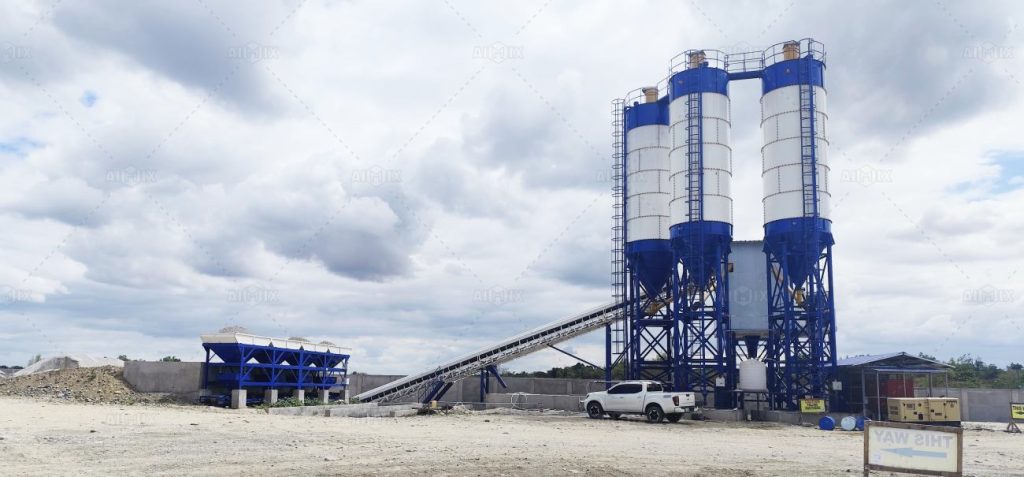
Understanding RMC Plant Setup Cost Components
Before optimizing costs, it’s important to understand what contributes to RMC plant setup cost:
-
Land and Site Preparation: The location of the plant affects the cost of land acquisition, leveling, foundation work, and connectivity to water, electricity, and roads. Urban sites may be more expensive, while rural locations could reduce costs but require additional logistics planning.
-
Equipment Investment: A key factor in setup cost is purchasing concrete batching machinery. Options include stationary plants and mobile RMC plants, each with different capital requirements. Mobile plants are generally more cost-effective for small to medium projects and allow flexibility to relocate between sites.
-
Installation and Commissioning: Labor, machinery assembly, and testing contribute to overall costs. Planning for efficient installation minimizes delays and additional expenses.
-
Automation and Control Systems: Plants with advanced digital monitoring systems may have higher upfront costs but offer better efficiency and lower long-term operational costs.
By breaking down costs, entrepreneurs can identify areas for optimization and make informed investment decisions.
Choosing the Right Type of Plant
Selecting the appropriate plant type is crucial to controlling RMC plant setup cost. Mobile RMC plants are ideal for projects with multiple sites or shorter-term contracts. They are compact, easy to transport, and require less infrastructure. Mobile plants reduce land acquisition and site preparation expenses while still delivering consistent concrete quality.
For larger, long-term operations, stationary plants may offer higher production capacity but come with higher initial setup costs. Entrepreneurs learning how to start RMC plant must carefully analyze project volume, location, and growth projections to choose the most cost-effective plant type.
Additionally, considering modular designs or plants with scalable components allows future expansion without incurring full replacement costs. This approach balances immediate budget constraints with long-term operational flexibility.
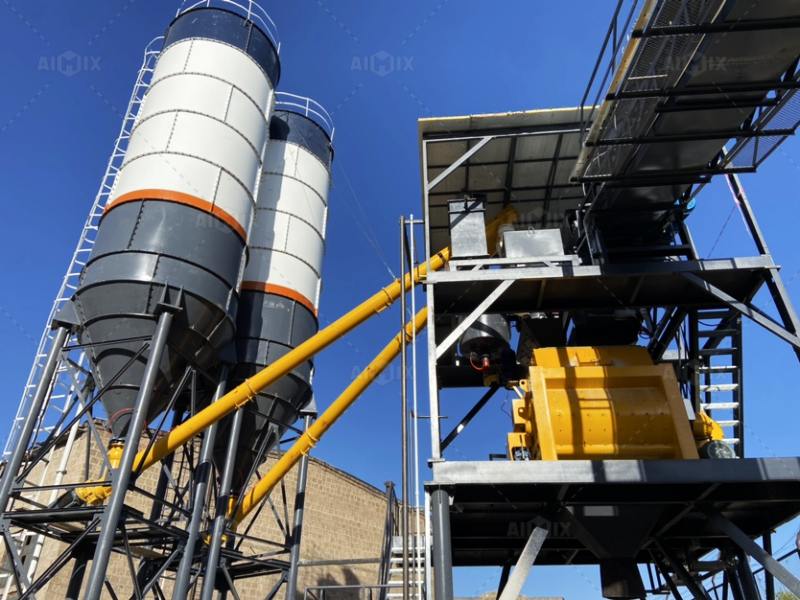
Partnering with a Reliable RMC Plant Manufacturer
Selecting the right RMC plant manufacturer is one of the most important steps in cost optimization. A reputable manufacturer provides:
-
Customized Plant Solutions: Tailored to production capacity, local regulations, and space constraints.
-
After-Sales Support: Timely maintenance, spare parts availability, and technical assistance reduce unexpected downtime costs.
-
Efficient Design Recommendations: Experienced manufacturers can suggest layout and workflow improvements to reduce material handling and labor requirements.
By collaborating with a manufacturer from the planning stage, businesses can avoid costly mistakes, streamline installation, and ensure the plant meets both current and future production requirements.
Efficient Layout and Workflow Design
Optimizing the physical layout of an RMC plant directly impacts setup cost and operational efficiency. Key considerations include:
-
Material Storage: Locating aggregates, cement silos, and water tanks strategically reduces transportation time within the plant.
-
Batching and Mixing Zones: A well-planned sequence of batching, mixing, and truck loading reduces bottlenecks and ensures smooth operation.
-
Accessibility: Clear pathways for delivery trucks and maintenance equipment prevent delays and reduce labor costs.
An efficiently designed plant minimizes the need for additional infrastructure, reduces energy consumption, and allows staff to operate more effectively. This layout planning is especially important for mobile RMC plants, where compact design and easy setup are critical.
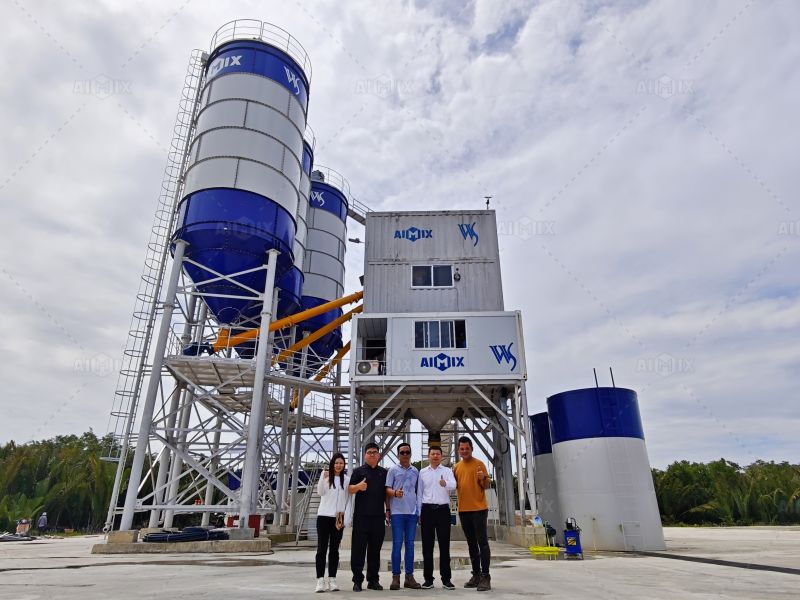
Leveraging Technology to Reduce Costs
Modern plants often incorporate automation, digital monitoring, and real-time reporting systems. While these technologies increase initial investment, they reduce labor costs, material waste, and downtime, ultimately lowering long-term RMC plant setup cost.
For entrepreneurs learning how to start RMC plant, adopting automated batching and mixing controls ensures consistent concrete quality, which reduces rejected batches and improves customer satisfaction. Sensors and software can also track resource usage, helping managers optimize material procurement and reduce overall operating expenses.
Planning for Logistics and Supply Chain Efficiency
Raw materials account for a significant portion of production costs. Efficient supply chain planning reduces unnecessary expenses:
-
Choosing suppliers near the plant minimizes transportation costs.
-
Bulk material procurement can lower purchase prices.
-
Coordinating delivery schedules with production ensures minimal inventory holding and reduces wastage.
Whether using a stationary or mobile RMC plant, streamlined logistics improve cash flow and reduce operational overheads.
Training and Maintenance
Investing in staff training ensures operators handle machinery efficiently, reducing wear and tear and preventing costly breakdowns. Regular preventive maintenance schedules recommended by the RMC plant manufacturer extend equipment life and avoid unexpected repairs, further optimizing setup costs over time.
Conclusion
Optimizing RMC plant setup cost requires a holistic approach that includes selecting the right plant type, efficient layout design, advanced technology adoption, and partnering with a trusted RMC plant manufacturer. Whether investing in a mobile RMC plant for flexible operations or planning a stationary high-capacity plant, careful planning and execution ensure that both initial investment and long-term operational costs are minimized. Entrepreneurs learning how to start RMC plant can achieve a competitive, cost-efficient operation while delivering high-quality concrete consistently, supporting sustainable growth and profitability.