As sustainability becomes a central priority in infrastructure development, Latin America is witnessing a growing shift toward environmentally friendly road construction technologies. Among these, eco asphalt mixing plants stand out as a strategic investment for contractors, governments, and private developers seeking to balance performance, cost efficiency, and environmental responsibility.
Market Background and Regional Context
Latin America’s road construction sector has expanded significantly over the past decade, driven by urbanization, logistics integration, and regional trade initiatives. Governments across the region are prioritizing highway rehabilitation, rural road access, and smart city development. These projects increasingly require modern production systems that reduce emissions, optimize fuel usage, and comply with stricter environmental regulations.
Traditionally, many contractors relied on conventional asphalt plant(planta asfalto) configurations that focused primarily on output volume and initial capital cost. However, this approach is evolving. Today’s procurement decisions increasingly weigh life-cycle cost, environmental impact, and regulatory compliance. This shift has created strong demand for next-generation asphalt plants that integrate green technologies while maintaining high productivity.
Regulatory and Policy Drivers
Environmental regulations across countries such as Brazil, Mexico, Chile, and Colombia are becoming more stringent. These regulations address dust emissions, noise levels, fuel efficiency, and carbon output. In many cases, government infrastructure projects now require bidders to demonstrate the use of environmentally compliant equipment, including modern asphalt plant systems with low-emission burners, enclosed conveyors, and dust collection systems.
Furthermore, international funding institutions, such as development banks and climate finance agencies, often require sustainability compliance as a condition for financing road construction projects. This further amplifies demand for eco-friendly asphalt production solutions.
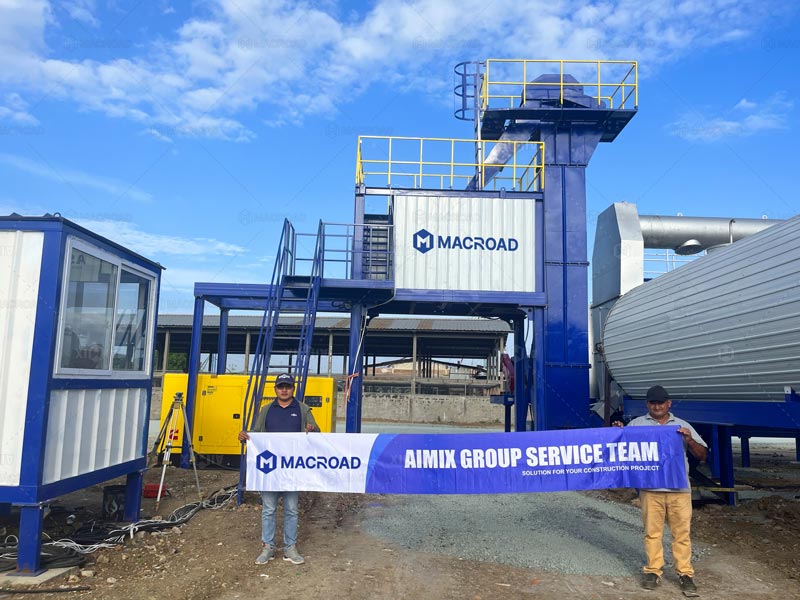
Key Demand Drivers for Environmentally Friendly Asphalt Plants
Environmental Compliance and Emission Reduction
One of the strongest demand drivers is the need to reduce emissions associated with asphalt production. Modern asphalt plant designs now incorporate advanced filtration systems, fuel-efficient burners, and optimized drying drums. These features significantly reduce particulate emissions, carbon dioxide output, and fuel consumption compared to legacy systems.
In Latin America, where urban expansion is occurring rapidly, local governments are increasingly sensitive to air quality concerns. Asphalt plants located near residential or commercial zones must operate within strict environmental thresholds, making eco-friendly equipment not just desirable but essential.
Cost Optimization Across the Equipment Lifecycle
While some contractors initially focus on asphalt plant price as a primary decision factor, many are now evaluating total cost of ownership. This includes fuel consumption, maintenance costs, spare parts availability, and equipment lifespan. Environmentally friendly asphalt plants typically offer lower operating costs due to improved thermal efficiency and reduced wear on critical components.
For example, optimized burner systems and heat recovery technologies can reduce fuel consumption by a measurable margin over the equipment’s lifecycle. When combined with longer service intervals and improved component durability, these benefits often offset higher initial investment costs.
Demand for Flexibility and Mobility
Latin America’s diverse geography, ranging from mountainous regions to remote rural areas, has increased demand for flexible and mobile production solutions. As a result, the portable asphalt plant(la planta de asfalto portátil) has emerged as a popular option for contractors working on decentralized or short-term projects.
Portable asphalt plants allow contractors to relocate production sites closer to construction zones, reducing transportation costs, material waste, and fuel usage associated with hauling hot mix over long distances. This mobility also aligns with environmental goals by minimizing carbon emissions linked to logistics operations.
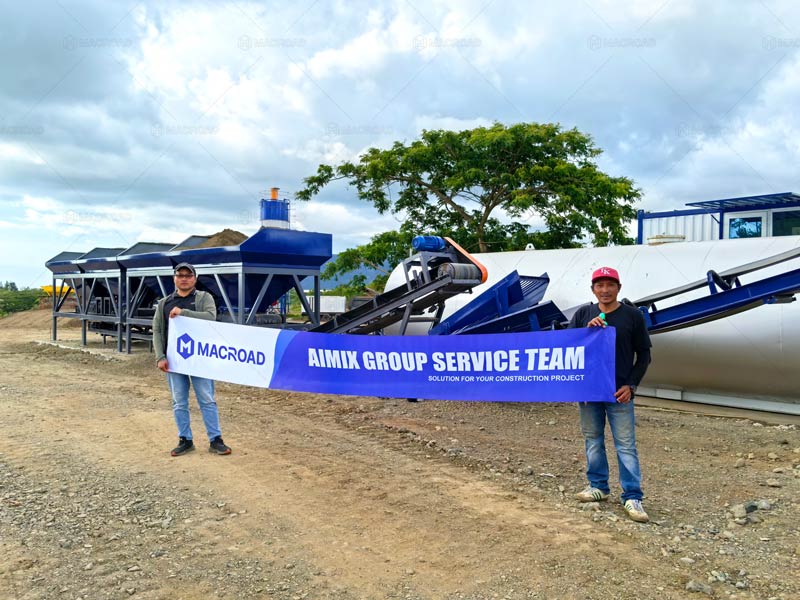
Market Segmentation by Plant Type
Stationary Asphalt Plants
Stationary asphalt plants remain a cornerstone of large-scale road construction projects, particularly in metropolitan and industrial regions. These plants are favored for their high output capacity, advanced automation, and ability to integrate complex environmental control systems.
In eco-focused projects, stationary asphalt plants are increasingly equipped with low-emission burners, enclosed material handling systems, and intelligent control software that optimizes energy use in real time. Their demand is particularly strong in large national infrastructure projects, highway expansions, and airport runway construction.
Portable Asphalt Plants
The portable asphalt plant segment is experiencing robust growth across Latin America. These plants combine mobility with modern environmental performance, making them ideal for contractors engaged in multi-site or short-duration projects.
Portable asphalt plants are particularly valuable in rural development programs, mining infrastructure projects, and emergency road repair initiatives. Their ability to deliver consistent mix quality while minimizing environmental impact positions them as a strategic solution for contractors seeking both operational efficiency and regulatory compliance.
Mini Asphalt Plants
At the smaller end of the spectrum, the mini asphalt plant is gaining traction among local contractors, municipal authorities, and small-scale developers. These compact plants offer a balance between affordability, environmental performance, and operational simplicity.
Mini asphalt plants are especially suitable for urban road maintenance, rural access roads, and community infrastructure projects. Their lower asphalt plant price(planta de asfalto precio) relative to larger systems makes them accessible to smaller organizations, while their modern designs ensure compliance with environmental standards.
Economic Considerations and Asphalt Plant Price Trends
As demand grows for environmentally friendly asphalt production equipment, pricing dynamics are evolving. While advanced environmental features and automation systems can increase upfront asphalt plant price, market competition and technological innovation are driving greater cost efficiency.
Manufacturers are increasingly offering modular designs, standardized components, and scalable configurations. This allows buyers to select plant capacities and feature sets that align with project requirements and budget constraints. Additionally, financing options, leasing programs, and public-private partnerships are making eco-friendly asphalt plants more accessible to a broader range of contractors.
It is also important to consider the indirect financial benefits of environmentally friendly equipment. These include reduced regulatory compliance costs, lower risk of operational shutdowns due to environmental violations, improved public perception, and eligibility for green infrastructure funding programs.
Technological Innovations Supporting Sustainability
Energy Efficiency and Fuel Optimization
Modern asphalt plants integrate high-efficiency burners, intelligent control systems, and optimized drum designs to reduce energy consumption. These systems continuously monitor temperature, moisture content, and material flow, adjusting fuel input in real time to maintain optimal operating conditions.
By reducing fuel usage, these technologies not only lower operating costs but also directly contribute to reduced greenhouse gas emissions, aligning asphalt production with broader climate action goals.
Advanced Dust Collection and Noise Control
Environmental sustainability in asphalt production extends beyond emissions. Dust suppression and noise control are critical considerations, particularly in urban and semi-urban project environments. Modern asphalt plants are equipped with high-efficiency baghouse filters, enclosed conveyors, and sound-dampening structures that minimize environmental disturbance.
These features improve working conditions for plant operators, reduce community complaints, and support compliance with occupational health and safety regulations.
Automation and Digital Monitoring
Automation plays a central role in enhancing the sustainability of asphalt production. Intelligent control systems enable precise material batching, consistent mix quality, and real-time performance monitoring. This reduces material waste, improves fuel efficiency, and minimizes the risk of production errors.
Digital monitoring platforms also allow remote diagnostics and predictive maintenance, further reducing downtime, extending equipment lifespan, and optimizing resource utilization.
Demand Outlook and Strategic Implications
The demand outlook for environmentally friendly asphalt plants in Latin America remains strong. Infrastructure investment pipelines across the region indicate sustained growth in road construction and rehabilitation activities. At the same time, environmental regulations are expected to tighten further, reinforcing the need for compliant production equipment.
Contractors that invest early in eco-friendly asphalt production technologies are likely to gain competitive advantages, including access to larger public-sector projects, improved operational efficiency, and stronger alignment with sustainability goals.
From a strategic perspective, manufacturers and suppliers should continue to focus on delivering cost-effective, modular, and technologically advanced asphalt plant solutions tailored to the diverse needs of Latin American markets. Emphasis on after-sales support, spare parts availability, and technical training will further strengthen market adoption.
Conclusion
The growing emphasis on environmental sustainability in Latin America’s road construction sector is reshaping demand patterns for asphalt production equipment. From large-scale stationary systems to flexible portable asphalt plants and compact mini asphalt plants(mini plantas de asfalto), the market is shifting toward solutions that balance performance, cost efficiency, and environmental responsibility.
Asphalt plant price considerations remain important, but they are increasingly evaluated within a broader framework of life-cycle cost, regulatory compliance, and operational sustainability. This evolution presents significant opportunities for contractors, developers, and equipment suppliers who embrace eco-friendly technologies and align their strategies with the region’s long-term infrastructure and environmental objectives.
In this context, environmentally friendly asphalt plants are no longer a niche option but a strategic necessity for modern road construction projects across Latin America.